can a chiropractor fix a hiatal hernia

Can a Chiropractor Fix a Hiatal Hernia? Know the Truth

A hiatal hernia occurs when part of the stomach sticks out through the diaphragm, causing discomfort and digestive issues. There are different solutions for such problems – invasive and non-invasive. We talk about chiropractic being an extremely helpful natural treatment option for many bodily issues. But can a chiropractor fix a hiatal hernia?

Yes, chiropractors can use adjustments to provide relief from hiatal hernia symptoms like acid reflux and chest pain. Such adjustments aim to realign the stomach and diaphragm.

The purpose of this article is to explore how chiropractic care can be an effective, hassle-free treatment option for hiatal hernias. Keep reading to learn more.

What Is a Hiatal Hernia?

A hiatal hernia occurs when a part of your stomach pushes up through the muscle that separates your abdomen from your diaphragm. This small opening in the diaphragm is normally responsible for allowing food to pass from your mouth to your stomach. However, in the case of a hiatal hernia, the stomach extends through that opening.

While smaller hernias may go unnoticed, larger ones can cause discomfort. They can lead to the backflow of food and stomach acid into the esophagus. The esophagus is a straight, muscular tube that moves food from the throat to the stomach. When food and acid backflow into it, it can result in symptoms like heartburn and chest pain.

There are two major kinds of hiatal hernias:

  1. Sliding
  2. Paraesophageal

In a sliding hernia, a portion of the stomach moves upward. Conversely, in a paraesophageal hernia, another abdominal organ moves into the chest cavity.

Causes of Hiatal Hernia

Hiatal hernias can occur due to various factors, although the exact cause is not always clear-cut. While weakened tissue is often responsible for allowing the stomach to bulge into the diaphragm, certain other factors play a significant role.

  • Age-related changes: As we age, the strength of the diaphragm may diminish, increasing the risk of a hiatal hernia.
  • Digestive system injuries: Trauma, surgery, or illness affecting the digestive system can weaken the tissues and contribute to the development of a hiatal hernia.
  • Congenital factors: Some individuals are born with an oversized hiatus, making them more susceptible to hiatal hernias.
  • Chronic pressure: Conditions such as chronic coughing, vomiting, or straining during bowel movements can exert persistent pressure on the muscles surrounding the hiatus.
  • Heavy lifting or exercise: Straining during physical activities, particularly weightlifting or intense exercise, can contribute to the formation of a hiatal hernia.
  • Pregnancy: The changes in the abdominal cavity during pregnancy can increase the likelihood of developing a hiatal hernia.

The most common risk factors for hiatal hernias are being overweight, smoking, and aging. However, anyone can get this condition.

Symptoms of A Hiatal Hernia

There are many signs of a hiatal hernia, but heartburn is the most common and often severe one. Other symptoms include:

  • Food or liquid regurgitation into the mouth
  • Difficulties with swallowing
  • Acid reflux, where stomach acid flows back into the esophagus
  • Chest or abdominal pain
  • Feeling full quickly with a small amount of food
  • Shortness of breath
  • Vomiting blood
  • Passage of black stool due to gastrointestinal bleeding

can a chiropractor help a hiatal hernia

Most Common Treatment Options For A Hiatal Hernia

When it comes to treating a hiatal hernia, several options are available to alleviate symptoms and pain. From lifestyle changes to medical interventions, let’s explore the most common treatment options.

  • Lifestyle Changes

Implementing lifestyle changes is crucial for hiatal hernia patients, not only to manage symptoms but also to prevent their progression. Consider the following lifestyle modifications:

  • Quit smoking to reduce stomach acidity and lower the risk of complications.
  • Sleep with your head in an elevated position. Keep your head approximately 6 inches higher than your abdomen to minimize acid reflux during the night.
  • Avoid foods that increase stomach acidity, such as tomato sauce, alcohol, and chocolate.
  • Refrain from eating late at night or indulging in midnight snacks.
  • Aim to lose weight if you’re overweight. Excess weight can put pressure on the abdomen.
  • Dietary Carefulness

Being mindful of your diet is crucial for managing hiatal hernia symptoms. Certain foods can weaken the lower esophageal sphincter and trigger discomfort.

While addressing the underlying cause is important, knowing what to avoid during your recovery can make a significant difference. Carefully consider these potential trigger foods:

  • Citrus fruits and juices like lemons, grapefruits, and oranges
  • Fried and fatty foods
  • Garlic and onions
  • Peppermint and spearmint
  • Tomato-based foods
  • Coffee, tea, and alcohol
  • Carbonated beverages
  • Dairy products
  • Oils and butter
  • Spicy foods
  • Medications

Chiropractic care, being a natural treatment option, is preferable. It doesn’t have any side effects and is highly effective.

Nevertheless, it’s worth mentioning that medical doctors may prescribe medications to alleviate hiatal hernia symptoms if required. Remember, medication should be approached under professional supervision.

  • Surgery

In severe cases, doctors may recommend surgery as the best treatment for hiatal hernias. The surgical procedure aims to repair the diaphragm opening and remove the hernia sac. It’s important to consult your medical doctor for detailed advice on the surgical option and to understand the potential long-term success.

However, it’s essential to note that surgery is not a cure, and lifestyle changes will still be necessary even after opting for surgery.

can a chiropractor help with hiatal hernia

How Can a Chiropractor Fix a Hiatal Hernia?

Chiropractic care offers an innovative and effective approach to treating hiatal hernias, going beyond traditional spinal adjustments. By focusing on the musculoskeletal system as a whole, chiropractors can provide relief for such digestive issues.

  • Gentle Manual Adjustments to Restore Balance

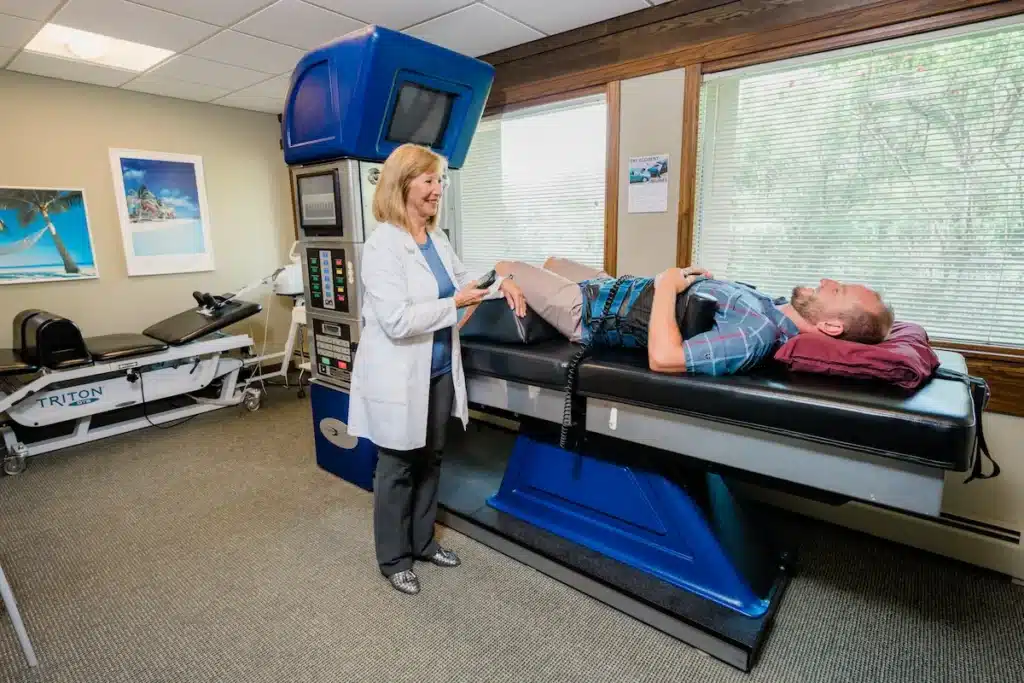
One of the primary techniques used by chiropractors is manual adjustment to correct hiatal hernias. Through this procedure, known as the hiatal hernia technique, they gently guide the stomach back below the diaphragm. Patients may be positioned standing up or reclined on a treatment table during this process.

Discomfort may occur during these adjustments due to the repositioning of sensitive tissues. Yet, most patients experience immediate relief as the pressure and pain begin to ease up following an adjustment. It allows for fuller breaths and increased comfort.

  • Comprehensive Approach To Strengthen Digestive Muscles

In addition to manual adjustments specific to hiatal hernias, chiropractors employ various techniques that support overall muscle function in your digestive system. Here are a few examples:

  • Identifying Misalignments: Chiropractors identify misalignments in surrounding areas that might trigger inflammation or tension, contributing further to spasm-related complications.
  • Diaphragmatic Release: This adjustment reduces tension within your diaphragm muscles while alleviating spasms that contribute to discomfort.
  • Neck and Back Adjustments: Manipulating nerves connected to your diaphragm through neck and back adjustments indirectly addresses the underlying causes of reflux symptoms.

Doctors at Johns Hopkins University say that being around stomach acid over and over again raises the risk of esophageal cancer. It can also cause dental erosion linked to tooth enamel damage. Utilizing the above-mentioned targeted approaches helps relieve existing symptoms. It also prevents potential long-term risks associated with untreated acid exposure.

  • Massage Therapy For Hiatal Hernias

Chiropractors also teach their patients how to massage themselves, which is a good way to treat a hiatal hernia at home. Such massage therapy offers even more relief.

To treat a hiatal hernia with massage, do the following:

  • Find the breastbone.
  • Put the tips of your fingers just below the base of your breastbone, about an inch down.
  • Press in three different ways: up, in, and down.
  • Do this three or more times a day for one minute each time.

Conclusion

Treating hiatal hernias with chiropractic care is a safe and effective option. Using targeted techniques and soft manual manipulations, chiropractors can help move the stomach and ease this condition. However, it is important to consult healthcare professionals for personalized diagnosis and treatment plans for individual needs.

For residents in Minnesota looking for high-quality chiropractic care, The Brost Clinic offers comprehensive services. Our services are aimed at promoting optimum health for individuals of all ages. Our dedicated team of experienced chiropractors is ready to provide the highest level of care to help you find relief from your hiatal hernia symptoms. Contact us today to book an appointment.

benefits of infant chiropractic

Essential Benefits of Infant Chiropractic You Need to Know

Navigating early childhood health can be daunting, especially with the fragility of infants just after birth. From spinal irregularities to immature digestive systems, infants endure delicate challenges. Enter the world of infant chiropractic care, a realm of gentle adjustments known for a host of benefits. This safe practice, affirmed by the American Chiropractic Association (ACA), is not exclusive to adults. It offers newborns relief from common ailments such as ear infections and colic.

This article sheds light on the essential benefits of infant chiropractic and its profound impact on your child’s developmental milestones. Understanding this care is crucial for parents seeking proactive health measures for their little ones.

How Do You Tell if Your Child Needs Chiropractic Care?

A pediatric chiropractor is trained to provide gentle care for your baby and can help ensure their overall health and wellness. If you see any of these signs, consider a visit to a family chiropractic center to help your baby. Each point is a potential reason your child might benefit from pediatric chiropractic care. Regular chiropractic adjustments can help address these issues.

  • Look for Posture Changes: Notice if your child often tilts their head. Do they lean while sitting or standing?
  • Check for Discomfort: Is your child fussy or irritable? Pay attention after they play or move around.
  • Monitor Sleep Patterns: Trouble sleeping or restlessness at night might be a sign.
  • Recurring Health Concerns: Ear infections, digestive issues, or constant health problems are clues.
  • Breastfeeding Troubles: For infants, breastfeeding difficulties suggest something’s not right.
  • Behavior and Sensory Responses: Observe any new agitation or sensory oversensitivity.

How Can Chiropractic Care Benefit Your Infant?

Your baby’s health can undeniably get better because of care from a chiropractor who knows how to move parts of the body just so. It’s done with soft pushes that are not dangerous, almost like a light rub. These pushes are gentle, just like when someone is figuring out if a tomato is ready to eat.

These adjustments aim to align the baby’s spine. A well-aligned spine supports a healthy nervous system. This can help with breastfeeding success. It can ease digestive issues, such as reflux. It can even lessen colic and constipation.

Besides, a well-aligned spine means a properly functioning nervous system that lets infants eat, sleep, and grow well. It helps avoid sleep disturbances and fussiness. It sets the stage for your baby’s optimal development.

Your baby can get a lot of good from seeing an infant chiropractor. This kind of help looks at every part of your little one’s wellness, but it is never done just to fix a problem for a little while. To keep your baby healthy for life, it should be a big part of your early care.

pediatric chiropractic benefits

Understanding the Physiology of Infants

Infant physiology is fascinating and complex. Their tiny bodies are amazingly tough. Yet, they are constantly evolving. Especially their spine and nervous system.

The baby’s spine starts small and curled. It grows straight to support movement as they roll, crawl, and take their first steps. Their spine is the foundation for all these milestones.

This spine safeguards the vital nervous system. It’s the control hub for the body. It affects giggles, cries, and first words. The nervous system is key to every action.

Newborns and infants need a strong nervous system. It drives their physical and cognitive growth. Regular chiropractic adjustments support this. They ensure a well-aligned spine for your baby.

The spine must be well taken care of. It helps your child stay happy and energetic. So, taking them to a chiropractor is good planning. It keeps them from getting ill later by ensuring a well-functioning spine.

11 Benefits of Infant Chiropractic Care

Even tiny babies can get help from a chiropractor. While adults have often used this care, people don’t always know it’s good for babies too. With careful tweaks done by the chiropractor, without a doubt, your baby could end up giggling and kicking with joy. Strong health becomes theirs, just like that. With babies being kept safe and healthy in chiropractors’ skilled hands, why not look into it?

  • Soothing After-Birth Stress

Birth is an intense experience for a new baby. The adjustment to life outside is huge. Chiropractic care can ease this transition. Gentle spinal adjustments promote comfort right from the start. They help correct any misalignments from the birthing process. A newborn’s early discomfort can thus be relieved, setting a healthy foundation for growth.

  • Encouraging Proper Spinal Growth

The spine’s growth in the early years is astounding. It doubles in length, supporting vital activities. Crawling, walking, etc., rely on a well-aligned spine. Pediatric chiropractors provide essential care here. They ensure your baby’s spine stays aligned during these growth spurts. Proper spinal care during infancy supports lifelong posture and balance.

  • Comfort from Colic’s Clutches

Colic can be a mystery, but its effects are all too real. Crying spells and fussiness of a baby can be overwhelming. Chiropractic adjustments might hold answers. They aim to relax the nervous system, possibly easing digestive discomforts linked to colic. Some parents see a noticeable drop in colic episodes with chiropractic care. It offers a natural option for soothing your baby’s distress.

  • Fostering Better Sleep Habits

Sleepless nights are common in infancy. But chiropractic care can be a game-changer. Misalignments may disrupt sleep. Chiropractors gently correct these, potentially settling sleep patterns. The result? Restful nights for babies and parents. It shows how spinal health is linked to sound sleep.

  • Boosting the Body’s Defenses

A baby’s immune system is their shield against sickness. It needs all the support it can get. Chiropractic adjustments can help here, too. They assist in perfecting nervous system functions. This enhances the immune response. A robust immune system defends your child from germs they meet daily.

  • Relieving Tummy Troubles

Digestive discomfort is tough on infants. The answer may lie in chiropractic care. It seeks to optimize nervous system function, affecting digestion. A realigned spine can ease gut distress. This approach may reduce symptoms of spit-up and reflux. Gentle chiropractic care often brings relief to little tummies and worried families.

  • Helping With Feeding Frustrations

A special connection is made when a mom feeds her baby from her own body. Sometimes doing this can be hard, though. When babies feel better after being moved gently by a chiropractor, they can eat more easily. If a baby is calm, it eats better, which helps both the little one and the mom. During the important time when a mom feeds her baby this way, both are helped.

  • Diminishing Ear Pain and Infection

Ear infections are common but painful for infants. A misaligned spine could worsen the issue. Chiropractors can address these to aid in fluid drainage from the ears. Thus, chiropractic treatments may decrease ear infections. Parents report relief for their little ones after chiropractic visits. It’s another pathway to comfort for tiny ears.

  • Nurturing Brain and Body Connections

Neurological development is a cornerstone of childhood growth. It’s about reaching milestones with ease. A healthy nervous system is essential here. Chiropractic care can help to ensure optimal nerve function. This optimization support helps little ones develop skills like smiling and sitting up. Regular adjustments lay the groundwork for these cherished moments of growth.

  • Easing Behavioral Challenges

Behavioral disorders present complex issues. A well-functioning nervous system could be a key factor. Chiropractic adjustments target the spinal-nervous system connection. This targeting may positively influence behavior. Parents notice changes in ADHD (Attention deficit hyperactivity disorder) symptoms and other behaviors after chiropractic care. Thus, chiropractic visits could bring calm to the chaos.

  • Lending a Hand to Neurodevelopmental Conditions

Autism and SPD (sensory processing disorder) can make the world overwhelming for a child. The right care is crucial. Chiropractic care adjusts the nervous system, which processes sensory information. This gentle, non-invasive approach may bring comfort to those with autism or SPD. It supports their unique needs sensitively and effectively.

safety of chiropractic care

Safety of Chiropractic Care for Infants

As parents, we prioritize our infant’s safety above all else. When considering chiropractic care for infants, we ensure safety is at the forefront. Parents often ask about the safety of chiropractic care for their little ones. Infant chiropractic care is quite different from adult chiropractic care. It’s specifically designed to be gentle and safe for infants’ delicate systems.

The little bodies of kids that are still growing are considered carefully. Gentle manipulations are made to them during the care babies get from chiropractors. Helping the brain and nerve wires work at their best is what’s hoped for from those changes. When it comes to the health of a little one, that’s a help.

The doers, however, are not usual chiropractors. They have learned special ways to make sure they take care of little kids without harm.

Such chiropractors often hold certifications in pediatric care. A notable one comes from the International Chiropractic Pediatric Association (ICPA). This training covers precise techniques suitable for infants. Parents can take comfort knowing these professionals are skilled in safe, specialized care.

Indeed, baby chiropractic treatments are mild and tailored. They suit your child’s growth and health needs. With expert care, chiropractic can be a safe part of your infant’s healthcare regimen. Always choose a practitioner with the proper credentials and experience, ensuring the safest care for your child’s chiropractic needs.

Final Thoughts

Infant chiropractic care offers a variety of essential benefits. From nurturing spinal health to improving sleep and bolstering immune systems, gentle chiropractic adjustments support your baby’s well-being. Alleviating colic, aiding digestion, and assisting in developmental milestones are more reasons to consider this care.

At The Brost Clinic, we understand the unique needs of your little ones. Our specialized approach ensures your infant receives safe, effective chiropractic care. Trust us to provide the best support for your baby’s health and development. We’re dedicated to optimizing your child’s wellness from the start. Join the many families who have seen the benefits of chiropractic care provided by us for their infants. Let us be part of your journey toward nurturing a healthy, happy baby.

autism and chiropractic care

Autism and Chiropractic Care: Everything You Need to Know

Autism touches a small number of kids, impacting lives deeply, and as a parent, the search for symptom relief is ongoing. Chiropractic care has become a beacon of hope in this regard, bringing fresh possibilities. Case studies have shown that after 15 chiropractic sessions, there were notable improvements in a 4-year-old boy. Speech and language rose by 8%. Social behavior and sensory-cognitive function both jumped by 50%. Health and behavior saw a 4% uplift. Hence, it’s clear that chiropractic care can be a part of the solution.

This guide dives into autism and chiropractic care, revealing how it might help. Let’s explore how it helps those with autism.

What is Autism?

Autism, or Autism Spectrum Disorder (ASD), is a brain-related difference. People with autism often find socializing hard. They might repeat actions and like certain topics a lot.

Autism is unique for everyone. Some people need a lot of help. Others do not. The “spectrum” part means a lot of different symptoms and strengths. Some folks with ASD might talk and learn fast. Others might not talk much or at all. Back then, we had different names for ASD types. Now, it’s just one big category.

No cure exists for autism. But the right support early on can help a lot. It can improve how someone with autism learns and grows. Everyone’s experience with autism is different. Understanding is key.

What Causes Autism?

The truth is – the causes of autism are not fully understood. Experts are researching it daily. Some think autism starts with genes. Others blame environmental toxins during pregnancy. It could be both factors or other external factors.

The brain and nervous system are central to autism. Since these are crucial, care focused on them is essential. Many find that the right kind of help really improves life for people with autism.

One common observation is that kids diagnosed with autism often have tummy troubles. Could digestive system bacterial imbalances be involved? This puzzle piece still needs to be figured out.

Parents usually try different diets to help their kids. They cut out carbs, gluten, dairy, or sugar. Many report that, somehow, these changes make things a bit better. But the effectiveness of these methods are still uncertain..

Lots of kids with autism have trouble talking, and some, about one-third, never learn to talk at all. This condition is called Apraxia, which makes learning to speak really hard or even impossible. But not being able to talk doesn’t mean they aren’t smart.

Around 31 percent of people with autism have trouble with thinking and learning. Surprisingly, an even bigger group, up to 44 percent, has a higher-than-average IQ. Many people with autism, even those who can’t talk, have found ways to communicate using modern technology.

chiropractic care autism

Common Signs of Autism

By 6 months of age, most parents notice changes in their children that might point toward autism. Common signs of autism are given in the following table:

Social Communication and Interaction Skills Restricted or Repetitive Behaviors or Interests Other Characteristics
Avoids or doesn’t maintain eye contact Lines up toys and becomes upset with changes in order Delayed language skills
Does not respond to names by 9 months of age Repeats words or phrases (echolalia) Delayed movement skills
Lacks facial expressions by 9 months Plays with toys the same way every time Delayed cognitive and learning skills
Doesn’t engage in simple interactive games by 12 months Focuses on specific parts of objects (e.g., wheels) Hyperactive, impulsive, and/or inattentive behavior
Uses few or no gestures by 12 months Gets upset by minor changes Epilepsy or seizure disorder
Does not share interests with others by 15 months Has obsessive interests Unusual eating and sleeping habits
Doesn’t point to showing something interesting by 18 months Must follow certain routines Gastrointestinal issues (e.g., constipation)
Does not catch when others are hurt or upset by 24 months Engages in repetitive body movements (flapping hands, etc.) Unusual mood or emotional reactions
Does not notice other children and join them in play by 36 months Has unusual reactions to sensory stimuli Anxiety, stress, or excessive worry
Does not pretend to be something else (e.g., teacher or superhero) during play by 48 months Lack of fear or heightened fear

What Is Chiropractic Treatment?

Chiropractic treatment is a hands-on healing art. Trained pros, known as chiropractors, perform it. They use swift, precise force to adjust your spine. This can help your body work better.

Chiropractic care isn’t just for backs. It can ease neck, muscle, and headache pains too. It’s about your whole musculoskeletal and nervous systems.

When you get adjusted, the chiropractor gets you positioned just right. Often, you’ll lie down on a special table for this. With a firm, quick move, the chiropractor shifts your joints. This might make a pop sound. That’s normal.

Many find relief from back pain with chiropractic care. Studies show it helps about as much as standard treatments. It can also be good for neck pain and headaches.

It’s key to see a pro for this. When done right, it’s safe. Serious side effects are rare. If you don’t get better after a few weeks, it might not be right for you.

Can a Chiropractor Help with Autism?

Could a chiropractor make a difference for autism? Definitely. Chiropractors aren’t just for adults. They can also help kids with autism. These kids often have sensory and digestive troubles. They may not be able to sleep well, either. Many parents want to skip medications. That’s where chiropractic comes in.

With gentle movements, a chiropractor can realign a child’s spine. This realignment can ease the nervous system. That means less neck and back pain for the child. Better sleep can follow. Even headaches and tummy issues can improve.

For a kid with autism, having a body that moves easily is a big deal. Chiropractic care can boost mobility and flexibility. It helps their nervous system work better, too. The benefits are clear. Chiropractic could offer some relief for kids with autism.

autism chiropractic benefits

Autism And Chiropractic Care: 4 Key Benefits

There are four key ways chiropractic care can benefit kids suffering from autism. It’s not just about easing pain. It can truly enhance daily living for those with autism. Let’s look closer at these life-changing benefits.

  • Allows Early Intervention

Early intervention makes a big difference for autism. The sooner you start, the better for the child. Recognize signs early, then get the right support. Autism isn’t curable, but early care improves outcomes.

Chiropractic care is one of the steps when it comes to early intervention. It’s safe, even for newborns. It helps kids with autism live better and sooner. Starting chiropractic care early can set the stage for positive advancements. It helps the child’s nervous system as they grow.

  • Quality of Life Can Improve

Improving quality of life is crucial for those with autism. Autism stays for life, but care can boost living standards. Chiropractic care serves as a valuable intervention. It can start very early, right after birth.

Chiropractors can improve life experiences for those on the spectrum. With consistent care, their bodies and minds can function smoother. This smoothness leads to greater comfort and participation in life. Children with autism grow with more ease and joy. Besides, chiropractic care is safe and can spark significant life changes. It helps these children unlock their full potential for a fulfilling life.

  • It boosts immunity

Chiropractic boosts immunity for those with autism. Why does this matter? A strong immune system fights off sickness better. Spinal misalignments can hinder nerve function. This impacts immune strength.

Thankfully, chiropractors adjust spines gently. This removes blocks in nerve pathways. Afterwards, the brain and the body are able to communicate effectively. This talk helps the body ward off illnesses better. So, chiropractic care isn’t just for pain. It also keeps those with autism healthier. With better immune function, they can enjoy more of life. This care is part of a whole health approach for autism.

  • It Can Improve Many Issues

Chiropractic care can tackle various autism issues. Speech delays? Chiropractic may help. Social skills not strong? It offers benefits in this regard. Behavior concerns? Chiropractic care addresses these, too.

The spine links to the brain via nerves. A healthier spine means a sharper brain. This sharpness can aid in language skills and social interactions. Better spine health also helps behavior. It’s all connected.

How Long Before Results Show?

Results from chiropractic vary for autism. Some children improve quickly after one session. For others, benefits take about a month. Yet, some notice changes in just two weeks. Every child’s journey is unique. Patience is key, as progress can unfold at different rates.

Final Thoughts

Chiropractic care presents a supportive role for autism. It offers early intervention and can improve the overall quality of life. Immunity gets a boost, and various autism-related issues can improve. The results may vary, but the benefits are clear.

At The Brost Clinic, we understand the unique challenges faced by individuals with autism. Our goal is to provide compassionate, effective chiropractic treatments. We’re here to enhance the well-being of everyone who walks through our doors.

We stand ready to support families from Plymouth, Minnetonka, and beyond. Together, we can work toward better health and brighter futures for those on the autism spectrum.

art chiropractic therapy

Everything You Need to Know About ART Chiropractic Therapy

ART stands for Active Release Technique – a specialized form of soft-tissue treatment. It’s not just used by chiropractors but by other healthcare professionals, too.

The primary focus of traditional chiropractic therapy is on spinal adjustments. On the other hand, ART targets the muscles, tendons, ligaments, fascia, and nerves throughout the body. This unique approach combines examination and treatment protocols specific to each patient’s needs.

If you know how this distinctive method is different from standard ones, you can better understand how it might help with natural healing without using invasive treatments or medications. So, let’s keep reading!

What is ART Chiropractic Therapy?

ART, short for Active Release Techniques Soft Tissue treatment, is a specialized form of therapy that targets specific soft tissue structures in the body. It involves applying calculated amounts of pressure to affected areas by trained professionals.

So, what affected areas are we talking about? Scientific evidence shows that muscles, nerves, blood vessels, and connective tissues can develop adhesions due to injuries like acute trauma or chronic conditions. These adhesions can lead to altered motion of muscles and joints. This situation results in symptoms such as pain, weakness, limited mobility, and even numbness and tingling sensations.

During ART sessions, trained healthcare professionals use over 500 specific moves tailored to each patient’s needs. It’s effective in treating problems with muscles and joints.

What Conditions Can Be Treated By ART?

ART chiropractic therapy is incredibly versatile and can effectively address a wide range of conditions. Some common issues that ART can help treat include:

  • Lower back pain or discomfort in the upper back.
  • Stiff neck, cervical spine problems, or even whiplash injuries resulting from car accidents.
  • Conditions like tennis elbow or golfer’s elbow.
  • Rotator cuff strains, shoulder impingement syndrome, and nerve entrapments leading to numbness and tingling.
  • Knee and leg pains stemming from muscular imbalances.
  • Reduced mobility due to scar tissue adhesions.
  • Carpal Tunnel Syndrome.

chiropractic art therapy

What Body Parts Are Treated By Chiropractic ART Therapy?

ART chiropractic therapy is effective in treating different body parts affected by injury or damage. The technique can help relieve pain and other symptoms related to:

  1. Fascia: ART targets the fibrous connective tissue known as fascia. It surrounds muscles and organs in your body. Inflammation within the fascial band can cause stiffness and severe pain. For example, conditions like plantar fasciitis are common issues addressed through ART.
  2. Major Muscle Groups: Overuse or trauma may result in strains and pulls that impact major muscle groups. These muscle groups can be found in the neck, shoulders, back, hamstrings, and more.
  3. Tendons and Ligaments: Tendons connect muscles to bones, and ligaments connect bone to bone. Injuries to these body parts often lead to decreased range of motion and discomfort. Chiropractors target these specific areas with precise techniques during an ART session.

How Does ART Work?

ART chiropractic therapy works by targeting and breaking up adhesions. Adhesions are accumulations of dense scar tissues that form when muscles and connective tissues are injured or overused. These adhesions can restrict movement, leading to pain, stiffness, and even nerve entrapment.

At first, the practitioner uses their hands to evaluate the surface and situation of affected areas. Then, they apply precisely directed tension through specific movements. This way, the professional can identify and correct the specific problems impacting your range of motion.

Blood flow is restored by manipulating these scar tissues using a combination of evaluation and treatment techniques unique to ART therapy. This improves healing while enhancing muscle, joint, and nerve flexibility for a more natural approach to rehabilitation.

What Are the Benefits of ART?

As a unique soft tissue treatment technique, ART brings benefits beyond just pain relief. ART therapy works like magic when it comes to improving movement and treating joint conditions to addressing scar tissue buildup! Let’s explore all the major advantages:

  • Helps With Movement

ART chiropractic therapy is an excellent choice for improving movement. We have learned that ART works by targeting specific muscles and soft tissues, eventually loosening tight areas and increasing flexibility. This can be especially beneficial for individuals recovering from surgery or those who have experienced limited mobility due to certain conditions.

For instance, after knee surgery, you have been immobilized with a cast for several weeks. When the cast is removed, you may notice scar tissue formed around the joint area, leading to stiffness and a restricted range of motion. Through tailored ART sessions, you can gradually regain the ability to move freely without discomfort or limitations.

  • Treats Joint Conditions

ART is not like traditional chiropractic treatment. Instead of focusing on spinal adjustments, a professional would work on the muscles surrounding the joints. This makes it easier to address issues within the joints themselves.

For example, an individual suffering from carpal tunnel syndrome may find comfort through ART therapy. The practitioner targets and releases tension in the muscles and connective tissues of the wrist and hand. With that, this specialized treatment can eliminate symptoms like numbness, tingling sensations, and tightness related to carpal tunnel syndrome.

  • Cleans Out Scar Tissues

Our bodies naturally produce scar tissue as part of the repair process when there is an injury or trauma to a specific area. However, over time, this scar tissue can accumulate and cause so much discomfort that it becomes difficult to move that body part.

Through ART sessions, skilled practitioners can precisely work on the affected areas and break down dense scar tissues that have formed. This technique essentially cleans out our muscles, providing relief from pain and restoring proper function.

  • Improved Recovery Time

One of the notable benefits of ART chiropractic therapy is its ability to reduce recovery time. Unlike invasive procedures, ART focuses on non-intrusive methods that promote faster healing. This makes it particularly valuable for athletes who need to get back in the game as soon as possible.

Let’s say a professional tennis player sprains their wrist during a match. A surgery or cast will definitely keep them away from the field for a great period of time. But specifically designed ART sessions can help in swift healing so they can start training earlier.

  • Additional Benefits Other Than Pain Relief

While pain relief is a crucial aspect of ART chiropractic therapy, there are additional benefits that make this treatment approach even more valuable. With ART, they focus on the larger rehabilitation process and offer patients tools for long-term pain prevention.

There’s a lot to learn from patient education and customized treatment plans. You can apply some techniques to maintain an optimal range of motion in your daily life. This will empower you to continue living a pain-free life even after you’ve completed the ART sessions.

art therapy chiropractic

What Are the Differences Between ART and Traditional Chiropractic Therapy?

Traditional chiropractic care and ART both aim to treat similar conditions. But the key distinction lies in their approaches. Let’s explore the fundamental differences between these two natural treatment procedures:

  • ART focuses on treating soft tissue using massage-like movements, while traditional chiropractic therapy primarily uses spinal adjustments. Soft tissue is often the source of pain, inflammation, and restricted movement. It cannot be treated solely through adjustments.
  • ART targets the root cause in soft tissues like muscles, tendons, ligaments, fascia, and nerves. So, this technique provides more profound relief for conditions caused by inflammation or overuse.
  • Traditional chiropractic treatment focuses mainly on joint dysfunction or misalignment. Whereas, ART treats a wider range of conditions, including post-surgical pain and muscle tenderness.

ART complements conventional chiropractic treatment. Combining both practices provides a holistic approach to addressing various musculoskeletal issues effectively.

What Are Some Common Signs of Scar Tissue Accumulation?

If you suspect that scar tissue has built up in your body, watch out for these common signs:

  • Stiffness in areas such as the neck, elbows, hands, knees or back
  • Increased pain during exercise or physical activity
  • Sharp pain experienced at the bottom of your foot near the heel (a possible sign of plantar fasciitis)
  • Numbness and tingling sensations in your fingers
  • Reduced flexibility and limited range of motion
  • Decreased strength

These are just a few examples. Any inflammation or discomfort you experience could be related to scar tissue accumulation.

Be sure to consult with an ART chiropractor who can identify and address these specific issues. The sooner you understand these signs in your body, the better chance there is for effective recovery!

Final Thoughts

ART chiropractic therapy is a revolutionary approach to natural healthcare. A wide range of soft tissue conditions can be effectively addressed and treated with ART. With an experienced and trained professional, you can take charge of your health and experience the benefits of active release therapy today!

The Brost Clinic, located in Minnesota, USA, specializes in providing expert ART treatments. If you’re looking for pain relief or improved mobility without relying on invasive procedures or medications, consider scheduling an appointment with our skilled chiropractors.

Don’t let joint discomfort hold you back from living life to its fullest potential. Call us today and learn more about how we can help restore your well-being through advanced techniques like ART chiropractic therapy.

are chiropractic adjustments safe

Are Chiropractic Adjustments Safe? Facts You Need to Know

Are you tired of relying on medications or invasive procedures for your health concerns? The struggle can be hard, particularly with the chronic pain in your back or neck. The good news is that natural treatment options like chiropractic care have been gaining popularity and proving their effectiveness. But you may want to know – are chiropractic adjustments safe?

The short answer is yes—chiropractic adjustments are one of the safest forms of healthcare available today. The misalignments in our spine can cause a wide range of issues beyond just physical discomfort. By restoring proper alignment through gentle manipulations, chiropractors aim not only for symptom relief but also for overall improvement in bodily functions.

Throughout this informative piece, we will be exploring the answers to all the important questions related to chiropractic treatment. In the end, we hope that you get the idea of why people are interested in this amazing natural care procedure and why it’s a viable option for musculoskeletal pain treatment.

What is a Chiropractic Adjustment?

A chiropractic adjustment is a therapeutic treatment performed by a licensed chiropractor. During this procedure, the chiropractor uses their hands or special instruments to carefully manipulate the joints in your body. That’s why the technique is also known as spinal manipulation or joint manipulation. The process helps reduce pain and discomfort and, at the same time, improve the alignment and physical function of your body.

Chiropractic adjustments serve as a complementary treatment option alongside traditional medical care. They offer natural relief from back pain, neck pain, or arthritis pain without relying solely on medicines or surgeries.

Who is a Chiropractor?

A chiropractor is a healthcare professional who specializes in treating conditions related to the nervous system and musculoskeletal system. They are like doctors for muscle, bone, or joint pain and dysfunction. Chiropractic adjustments can effectively target common issues such as lower back pain, neck pain, muscle pain, and headaches.

Not only that—chiropractors have the expertise to address musculoskeletal discomfort in any part of your body. These include- head and jaws, shoulders, elbows and wrists, hips and pelvis, knees and ankles. So whether it’s a chronic ache troubling you or an injury that needs attention, a skilled chiropractor can offer a natural solution.

is a chiropractic adjustment safe

What Does a Chiropractor Do?

Chiropractors are experts in treating various issues related to bone and joints without relying on medications. If you’re experiencing aches, pains, or discomfort, a licensed chiropractor can provide alternative treatment methods that don’t involve prescription drugs.

A chiropractor’s treatment may include:

  • Adjustments: Using gentle techniques to realign joints, which reduce pain and enhance range of motion.
  • Soft-Tissue Therapy: Relaxing tight muscles, relieving spasms, and releasing tension in the connective tissue (fascia) surrounding each muscle.
  • Exercises and Stretches: Restoring joint stability and mobility by recommending specific exercises to promote healing.
  • Joint Bracing or Taping (Kinesio Taping): Providing support for sprained joints or injured muscles during the healing process.
  • References to Medicine Experts: Collaborating with other healthcare professionals to offer guidance on diet and nutrition for reducing inflammation or managing weight.

Do Chiropractors Need a Certification?

Yes, chiropractors need a certification to practice. To become a chiropractor, one must first complete at least three years of undergraduate study. Following that, they can enroll in a Doctor of Chiropractic degree program, which typically takes around three and a half to five years to finish. The program includes rigorous coursework with over 4,200 instructional hours.

Once the educational requirements are met, aspiring chiropractors must obtain a state license before they can start their practice. This certification ensures licensed practitioners have received adequate training and the necessary skills to provide safe and effective care.

Who Can Get a Chiropractic Adjustment?

Everyone can benefit from chiropractic therapy. Although any adult or child can seek chiropractic care, the most likely age range is 45 to 64 years. It’s crucial to remember that people who are assigned as female at birth often see chiropractors more frequently than those who are assigned as male at birth.

Before undergoing a chiropractic adjustment, you must undergo a screening process. This ensures that you are an ideal candidate for this form of natural healthcare. There will be cases where chiropractic care may not be appropriate or sufficient for your specific condition. Then, your experienced chiropractor will gladly refer you to another qualified healthcare provider who can cater better to your needs.

is chiropractic adjustment safe

Are Chiropractic Adjustments Safe?

If you’re suffering from pain, fatigue, or general discomfort, you may be considering chiropractic adjustments. If you are unsure about its safety, then we can assure you it is completely safe! Extensive studies have shown that chiropractors undergo relentless training and follow strict safety guidelines during treatments. In fact, spinal adjustments are considered much safer than other invasive procedures like injections, medications, or surgeries, which often come with long-term side effects.

It’s important to find a reliable chiropractor to ensure your safety and receive the best care possible. Look for someone with the right degree and credentials. If you want top-notch treatment backed by evidence-based methods, consider consulting with a Chiropractic BioPhysics (CBP) certification professional.

What are the Benefits of Chiropractic Treatment?

Chiropractic treatment offers a wide range of benefits for those seeking natural care options. Here are some key advantages of chiropractic adjustments:

  • Minimizes Migraines and Neck-Related Headaches

Chiropractors target the underlying issues causing these types of headaches and then provide relief without relying on pain medications.

  • Improves Posture

Poor posture can lead to a variety of musculoskeletal problems. Chiropractic adjustments help align your spine properly, promoting better posture over time.

  • Reduces Pain and Improves Range of Motion

Misaligned joints in the spine and other places are realigned by chiropractors. This procedure can increase mobility and flexibility while reducing discomfort.

  • Alleviates Symptoms Associated with Osteoarthritis

Chiropractors use gentle techniques to address joint stiffness, inflammation, and discomfort caused by osteoarthritis.

  • Treats Minor Neck or Spine Injuries Like Whiplash

Whether it’s a result of car accidents or sports activities, minor injuries such as whiplash can be effectively treated by experienced chiropractors.

Through personalized treatment plans tailored to each individual’s needs, chiropractic adjustments offer safe solutions. The focus is on holistic healing rather than simply masking symptoms.

Are There Any Risks Associated With Chiropractic Treatment?

Chiropractic adjustments are generally safe and effective, with minimal risks. After a session, it is possible to experience mild soreness or fatigue that quickly subsides. In rare cases, serious complications such as herniated disks or pinched nerves in the lower spine may occur. However, these instances are extremely uncommon.

It’s crucial to note that visiting a licensed chiropractor greatly reduces any potential risks. Their extensive training and expertise have been proven to ensure safe alignment.

can chiropractor help with ankle pain

What is the Procedure of Chiropractic Manipulation?

Chiropractic manipulation involves careful hands-on techniques, using precise movements to target specific areas of misalignment in your spine. During the procedure itself, patients often report experiencing immediate relief and improved mobility—a testament to its effectiveness. But there are some key proceedings before the chiropractic session and also some necessary steps that you must follow after it. Let’s look at them:

  • Before a Chiropractic Session

Before your chiropractic session, you’ll meet with your chiropractor to discuss your medical history and undergo a thorough physical exam. In some cases, diagnostic imaging tests like X-rays, CT scans, or MRI scans may be needed to know more about your musculoskeletal system.

These tests help the chiropractor to get a comprehensive understanding of the issues that are causing you discomfort. Based on these findings and an evaluation of your symptoms, they will develop a personalized treatment plan that suits you.

  • During a Chiropractic Session

Your chiropractor will customize the treatment plan during a spinal adjustment based on your unique needs. Initially, you’ll lie face down on a specialized table. The table allows certain body segments to lift slightly higher than the others. This enables the chiropractor to apply targeted pressure.

Using their hands or small instruments, they’ll administer a quick and controlled force. That force realigns the vertebrae in your spine, which was slightly off-center. It’s interesting to note that during this process, you may hear popping sounds. That’s just the release sound of gases that were trapped within the joints!

  • After a Chiropractic Session

After a chiropractic session, it’s common to experience mild soreness or minor aches in the treated areas. Don’t worry—it’s just your body adjusting and realigning itself. This discomfort typically subsides within 24 hours. And if you are a regular receiver of chiropractic care, you may not even experience it.

To enhance the benefits of your adjustment, your chiropractor may suggest certain practices as “homework”. These might include:

  • Stretches to improve flexibility
  • Advice on maintaining proper posture
  • Thermal therapy, such as icing or heat
  • Topical pain relievers for localized relief
  • Dietary recommendations for overall health improvement
  • Stress management techniques to relax muscles naturally
  • Electrical muscle stimulation using TENS machines

Remember that these additional steps complement your treatment plan. A little extra effort outside of the session can make all the difference in getting the best results!

What is a Common Misconception About Chiropractic Adjustments?

One of the most common misconceptions about chiropractic adjustments is that they can cause strokes. However, there isn’t enough data to support this myth. In reality, the risk is minimal, even if there have been a few very rare cases of stroke associated with chiropractic treatments.

According to a study published in the Journal of Manipulative and Physiological Therapeutics, the risk of stroke from a chiropractic adjustment is 1 in 5.85 million! In comparison, visiting a medical doctor carries a higher risk, with approximately 1 in 720,000 chances of having a stroke.

These rare cases typically involve patients who already had pre-existing factors putting them at risk for strokes, such as high blood pressure or smoking habits. Chiropractors will screen and identify those individuals who may be at higher risk for stroke and take caution accordingly during treatment sessions.

Ending Thoughts

By now, we should have a clear understanding of this query: is chiropractic adjustment safe? With all these questions answered, we can comfortably say that chiropractic adjustments are a safe and effective form of treatment for musculoskeletal pain. Don’t hesitate to explore the benefits and safety of chiropractic care as you seek long-term relief from your discomfort. Remember that your health is in good hands with skilled professionals who prioritize your well-being.

The Brost Clinic, located in Minnesota, USA, is dedicated to providing safe and effective chiropractic care. With the help of our licensed chiropractors, you will find relief from back pain, neck pain, and headaches. Plus, our natural care will improve your overall well-being and manage chronic conditions naturally. By combining chiropractic care with massage therapy, we offer a holistic approach to health that promotes healing and long-term wellness.

Consider visiting The Brost Clinic today, where experienced practitioners will provide individualized treatment plans tailored to your specific needs. Call for an appointment with us and start your journey toward a healthier life!

average cost of chiropractic adjustment

The Average Cost of Chiropractic Adjustment

Over the years, chiropractors have managed to treat countless individuals for aches and pains. The stats show that approximately half of the adults in the U.S. have paid a visit to these licensed professionals. At the same time, a further two-thirds believe that chiropractic adjustments can help alleviate back pain.

Different studies and reports also suggest that chiropractic adjustment, particularly spinal manipulation, is a relatively effective and safe, non-drug intervention treatment option for those suffering from lower back pain, especially when combined with standard medical care.

What Is A Chiropractic Adjustment?

A chiropractic adjustment is a manual therapy performed by a licensed chiropractor or doctor, which typically involves spinal manipulation.

Over the years, chiropractors have had to deal with a lot of stigmas surrounding their profession since it began in 1895. Things got worse in 1963 when the AMA (American Medical Association) formed a committee on quackery to help contain or eliminate chiropractic care and asked its members not to associate with the practitioners.

Despite there being some stigma associated with the chiropractic practices in certain circles, things have significantly changed, especially within the medical fraternity.Today, spinal manipulation is now viewed as an effective and safe treatment for chronic lower back pain.

What Is The Cost Of Getting Adjusted By A Chiropractor?

Individuals from all walks of life can benefit from a chiropractic adjustment ranging from business executives to stay-at-home mums. This is because some of the daily tasks we perform can often lead to wear and tear on our bodies, meaning that you will not always be able to perform at your very best.

Receiving a full-body adjustment can correct improper body mechanics, promote better posture, and help with chronic pain management. It can also help resolve your walking gait, improve performance in terms of exercise, and provide lasting comfort from different kinds of aches and pains.

That said, most people want to know how much it costs to get a full-body adjustment from a chiropractor. The answer to this question will depend on several factors, including the practitioner’s experience and whether your insurance can pay for the treatment.

When you go to most online sites, you will see that the average cost for a full-body adjustment by a chiropractor can range from $34 to $106.

The location of the facility you are visiting can also affect the cost of your chiropractic adjustment. If you reside in an urban area, you can expect to pay less as there will be more practitioners to choose from. However, it is essential that you don’t make the price your sole consideration when making your decision, but rather the quality of service and the experience of the practitioner.

Another good thing about chiropractic adjustment care is that many insurance companies are beginning to adopt chiropractic care packages into their policies, which can help you save some money.

what is the average cost of a chiropractic adjustment

Factors Influencing the Cost of Chiropractic Care

The expenses of chiropractic care services are not fixed and can alter based on several factors. These include the specific chiropractor you visit, your location or state, and your required services.

Whether you have insurance coverage also plays a significant role in determining the cost. Let’s explore these factors further to understand their influence on chiropractor prices.

  • Location

Location significantly affects how much chiropractic services cost. Prices can vary from state to state. It’s essential to remember that even within the same area, different chiropractors may have varying fees for their treatment plans. So it’s always worth exploring your options locally before deciding where to seek care.

  • Chiropractor Experience And Credentials

The experience and credentials of a chiropractor may significantly influence their prices. A highly rated and reviewed chiropractor is often trusted for their services, allowing them to charge more per session.

Additionally, an experienced chiropractor with years of practice may command higher fees than one without experience. Therefore, costs can vary depending on the chiropractor’s reputation and level of expertise.

  • Demand, Competition, and Treatment Variations

With different types of treatments available, each service comes with its own pricing structure. During the initial consultation, a chiropractor will determine the most appropriate treatment based on your situation.

Services such as MRI scanning, electromyography, laser treatment, computerized adjustment, and electrical muscle stimulation may be offered at different costs.

Factors like local market demands and competition from other chiropractors in the area can affect pricing variations for these services. It’s important to discuss specific treatments and their associated costs with your chiropractor during your visit.

  • Average Insurance

The expense of chiropractic care can vary greatly depending on whether or not you have insurance coverage. If you don’t have coverage for chiropractic care, you will be responsible for paying the total treatment costs out of pocket.

However, your insurance plan covers chiropractic care. In that case, you may only need to pay a small co-payment amount determined by your insurer.

It’s vital to check with your insurance policy provider to understand the extent of their coverage and any potential limitations or restrictions that may apply.

  • Frequency of treatment

Depending on your condition, you may require multiple visits or appointments for optimal results. Maintaining a healthy lifestyle and following the chiropractor’s recommendations might reduce the number of sessions needed.

Incorporating exercises into your routine can help combat health conditions like neck pain and lower overall treatment costs in the long run. Trusting and committing to your chiropractic care plan could positively impact your healing process and expenses.

What Kind of Services Does a Chiropractor Offer?

Chiropractors offer various services and treatments to address multiple health concerns. These can include spinal adjustments, which involve hands-on manipulation of the spine to improve joint function and alleviate chronic pain.

They may also use mobilization techniques to enhance mobility in joints and limbs. Heating and cooling therapies help reduce inflammation, while stretching exercises promote muscle lengthening and flexibility.

Additionally, chiropractors provide soft tissue manipulation or massage therapy for relaxation and pain relief.  They offer lifestyle advice explicitly tailored to individual needs on

  • Nutrition
  • Exercise routines
  • Posture correction
  • Stress management techniques, etc.

Physiologic therapeutics involving technologies like lasers or ultrasound machines are also sometimes utilized. Chiropractors may recommend orthotics, such as insoles, for postural adjustment.

average cost of chiropractic adjustment without insurance

When to Seek Help From a Chiropractor

If you are experiencing back pain, seeking help from a chiropractor might be beneficial. You don’t have to wait for the pain to become unbearable before scheduling an initial consultation.

However, it is essential to remember that alternative medicine should be used in conjunction with scientifically supported healthcare approaches and should not replace them. It is best to seek non-chiropractic care for health issues other than back pain.

How Often Should You See a Chiropractor?

The frequency of chiropractic manipulations varies from person to person. Some individuals only need one or two yearly visits, while others require more frequent checkups.

It is best to consult with your chiropractor for personalized guidance based on your specific condition and needs. Additionally, some hospitals offer membership or package options that can make multiple visits more affordable.

What to Look For In a Chiropractic Practitioner

As mentioned, when picking your chiropractic practitioner, you must look at several critical elements, some of which include credentials and experience. You should ensure that your chiropractor has all the relevant certifications, like a license to practice in the state. Experience is another crucial factor since training involves a stringent process and requires many hours of education and training.

Like with most other services, you will need to ask around. You can talk to family, friends, or former patients to get an idea of what kind of services a particular chiropractor offers. You can also check with other practitioners in the area to see whether yours has a good reputation among their local professional community.

Another way of checking a practitioner’s credentials is to review some of their accolades or that of their facility. Even though this is not a make or break aspect, the key is to ensure they have the necessary experience when it comes to caring for patients, athletes, families, and other patients.

Benefits of Chiropractic Care

Chiropractic care offers a range of health benefits supported by clinical research. For instance, recent studies have demonstrated the effectiveness of spinal manipulation in treating acute neck pain. Research has also revealed that chiropractic care can effectively manage headaches and lower back pain.

One study published in the Annals of Internal Medicine investigated various therapies for neck pain treatment. Participants were divided into three groups:

  1. Those receiving spinal manipulation from a chiropractor
  2. Individuals using over-the-counter pain relief
  3. Participants engage in exercises such as stretching and running

After twelve weeks of treatment, the results showed a significant reduction in pain among 57% of the chiropractic group, compared to 48% with exercise alone and only 33% using over-the-counter medication.

Ongoing clinical research continuously verifies these findings while exploring other areas where chiropractic techniques may be beneficial. Chiropractors provide evidence-based treatments to enhance well-being beyond just addressing immediate symptoms.

How Can I Make My Chiropractor Visits More Affordable?

Making chiropractor visits more affordable can concern individuals without or with limited insurance coverage. Here are some tips to help alleviate the financial burden:

  • Look for chiropractic clinics that offer package deals or discounted prices for frequent sessions. These options can provide cost savings in the long run.
  • Check out websites like Groupon, which often have virtual coupons and discounts specifically for chiropractic care. Exploring these deals might lead you to discover new hospitals while saving money.
  • Talk to your chiropractor about flexible payment plans based on your needs and financial situation.

Average Cost of Chiropractic Adjustment without Insurance

A chiropractic visit without health insurance can be costly. However, the actual cost may vary depending on the severity of your condition.

Without coverage from insurance companies, the expenses vary based on the severity of the condition. It’s essential to consider these costs when seeking chiropractic care and explore options such as payment plans or discounted packages offered by clinics.

Chiropractic Care Frequently Asked Questions (FAQs)

Let’s look at some Frequently Asked Questions and their answers about Chiropractic Care.

Can a Chiropractor Help with Headaches?

Yes, a chiropractor might help with headaches. Chiropractic adjustments and spinal manipulations can alleviate tension and improve overall spinal health, reducing headache frequency and intensity.

Can a Chiropractor Help with Arm Pain?

Yes, a chiropractor might help with arm pain. Chiropractic alterations can address the underlying issues causing arm pain and provide relief without medication or surgery.

Can a Chiropractor Help with Arthritis in the Hip?

Yes, chiropractic care can be beneficial in managing arthritis in the hip by lessening aches, improving joint function, and enhancing overall mobility.

Can a Chiropractor Help with Hip Bursitis?

A chiropractor can help with hip bursitis by providing non-invasive treatment options like adjustments, stretches, and exercises to reduce pain and improve mobility.

Can a Chiropractor Help with Hip Flexor Pain?

Yes, a chiropractor can help with hip flexor pain. Adjustments and specific exercises can address imbalances and promote healing in the hip flexors.

In Summary

As mentioned, the average chiropractic adjustment cost will depend on several factors. Nonetheless, you have to select a professional who can do the job effectively and has unmatched experience. If you are in search of a wayzata chiropractors, with a trusted reputation, you should check out the Brost Chiropractic Clinic. Over the years, we have worked with patients from all walks of life and are trusted by our patients to offer the best chiropractic treatment every time. So call us today to book an appointment or if you want to learn more about our chiropractic adjustment services. We are here to help.

can chiropractic help arthritis

Can Chiropractic Help Arthritis? Everything You Need to Know!

Chiropractic care has become a popular alternative therapy for various health conditions, including arthritis. Arthritis is a common chronic condition that attacks millions of people worldwide. It causes pain, inflammation, and stiffness, reducing mobility and overall quality of life. Many individuals wonder, “Can chiropractic help arthritis?”

The answer is yes – this care can indeed help with arthritis. Chiropractors are trained experts who specialize in diagnosing and treating musculoskeletal disorders, including different kinds of arthritis. To relieve arthritis pain, chiropractors gently adjust the spine or affected joints.

This article will explore the probable benefits of chiropractic care for individuals with arthritis. Our discussion will cover how this treatment can reduce the rash, boost motion capacity in affected joints, and improve overall joint health. Watch this space for more details on how such holistic treatments can improve arthritis management.

What is Arthritis?

Arthritis is a typically misinterpreted disorder that causes inflammation in one or multiple joints, resulting in discomfort and immobility. It presents symptoms such as swelling, joint pain, back pain, and decreased range of motion. 

Routine chiropractic relief therapy can benefit this disease by providing non-invasive treatment options for managing pain and discomfort effectively with self-care.

Types of Arthritis

Arthritis is not a single disease but a group of more than 100 different types. Each person may experience unique symptoms depending on the type of arthritis they have. 

Two main types of arthritis include 

  • Osteoarthritis, which affects the flexible joint cartilage and is the most prevalent type, and 
  • Rheumatoid arthritis, which is a regular autoimmune disorder that affects the joints.

Fortunately, both types can benefit from routine chiropractic care. Individuals can find relief from discomfort by combining pain management strategies with non-invasive chiropractic treatments—that, too, without depending solely on the long-term use of painkillers. 

does chiropractic help arthritis in the back

Common Symptoms of Arthritis

Common symptoms of arthritis include 

  • Pain and tenderness in the affected area 
  • Stiffness (especially in the morning) 
  • Swelling 
  • Inflammation and 
  • Redness

Weakness or buckling of the joint may also be experienced, along with a decreased scope of movement.

Arthritis affects a significant percentage of adults in the U.S., with different types causing varying degrees of discomfort. The impact can be profound, limiting one’s ability to engage in everyday activities or pursue hobbies. Rather than relying solely on medications for relief from pain, chiropractic relief therapy offers an alternative, non-invasive approach.

How Can Chiropractic Care Help Those with Arthritis?

Chiropractic relief for arthritis offers a holistic approach to managing and alleviating arthritis aches. In addition to being a safe, non-invasive alternative to opioid medications and over-the-counter pain relievers, this treatment is effective in treating arthritis as well.

Joint constraints or misalignments in the backbone and other joints can be reduced through gentle chiropractic adjustments. This reduction can lead to a diminished rash and improve overall joint function.

Chiropractic relief therapy has many benefits, including better spinal health and greater joint mobility. These help the body better manage arthritis aches associated with osteoarthritis and rheumatoid arthritis.

This natural form of therapy relieves pain and improves nervous system function. Chiropractic therapy has helped patients with various kinds of arthritis. It improves their quality of life by reducing distress and enhancing their mobility.

Benefits of Chiropractic Care for Arthritis

Chiropractic treatment offers numerous benefits for arthritis patients of all ages. It can enhance 

  • Flexibility
  • Mobility
  • Motion range 

Moreover, it can reduce 

  • Pain 
  • Discomfort
  • Inflammation

Ultimately, it improves their overall lifestyle and well-being.

can chiropractic help knee arthritis

When To See a Chiropractic Care

When should you consider seeing a chiropractor for arthritis symptoms? If you are going through territorial pain, stiffness, or a reduced field of activity due to arthritis, chiropractic treatment may be beneficial. 

Chiropractors can provide effective treatment and relief from arthritis aches through spinal adjustments and other therapies. Whether you have osteoarthritis or rheumatoid arthritis, visiting a chiropractor may help relieve the pain and distress associated with these conditions. 

It’s essential to confer with your doctor before starting any new treatment plan. However, exploring chiropractic relief therapy to manage your arthritis symptoms is worth considering.

Common Questions on Arthritis and Chiropractic Care

Let’s look at some commonly asked questions and their answers regarding arthritis and chiropractic treatment.

Is Chiropractic Care Safe for Arthritis?

Regarding inflamed and painful joints, whether chiropractic care is safe becomes crucial. The answer is yes; seeking chiropractic relief for arthritis is generally safe.

However, the type of chiropractic maintenance care you receive may depend on the specific form of arthritis you have. For individuals with osteoarthritis, going to a chiropractor is deemed one of the safest treatment options available. 

On the other hand, those with inflammatory conditions like rheumatoid arthritis can also benefit from seeing a chiropractor. However, they should be aware that their techniques might need adjustment.

During acute rash or joint swelling flare-ups in rheumatoid arthritis patients, careful consideration must be taken. That’s because aggressive manipulation of the affected parts can exacerbate the signs and cause further damage. Your qualified and experienced holistic practitioner will be cautious when determining suitable techniques. 

While adjustments to swollen parts may not occur during these times, a skilled professional can still provide treatments. Such treatments will be focused on relieving tightness, soreness, and overall pain in surrounding tissues, muscles, and supporting structures.

Therefore, seeking an experienced chiropractor who understands both traditional medical approaches and complementary therapies is essential. 

Can a Chiropractor Help with Arthritis in the Hip?

If you have arthritis in your hip, you may wonder if a chiropractor can help. The good news is that chiropractic relief has been shown to relieve hip arthritis. 

A chiropractor will use manual adjustments, mobilizations, and gentle stretching techniques to improve joint mobility and reduce pain. They may also suggest exercises to strengthen muscles around the hip joint. 

These treatments focus on realigning any misalignments in the spine or pelvis that may contribute to abnormal hip joint stress.

Can Chiropractic Help Arthritis In Knees?

If you’re experiencing arthritis in your knee, chiropractic care can help. Chiropractic relief focuses on maintaining proper alignment and function of the joints, including the knees. 

Through manual adjustments or manipulations, chiropractors can improve joint mobility and lessen inflammation in arthritic knees. Additional therapies like ultrasound or electrical stimulation can reduce rash.

Contact The Brost Clinic Today!

At The Brost Clinic, we understand the pain and discomfort that arthritis can cause. That’s why we offer chiropractic care to help alleviate pain and promote optimum health for individuals of all ages. Our team of proficient chiropractors is experienced in treating diverse types of arthritis, including rheumatoid arthritis and osteoarthritis.

Our chiropractors can help reduce inflammation, relieve territorial pain, improve the degree of motion, and enhance overall function by using gentle spinal adjustments. We work closely with each patient to design a personalized treatment plan that addresses their needs.

If you or a loved one suffers from arthritis pain, contact us at The Brost Clinic today to see how chiropractic therapies can help make a difference!

Minnetonka

Can a Chiropractor Help with Arthritis in Hip? 5 Effective Hip Pain Treatments with Chiropractic

Dealing with arthritis, especially in the hip joint, can be downright debilitating. The constant pain and stiffness make even simple tasks like walking or climbing stairs feel like an uphill battle. 

If you’re someone who has been grappling with this condition on a daily basis, you may have wondered if there’s any relief. And you particularly mean the treatment that doesn’t involve invasive procedures or relying solely on medication.

Have you ever thought can a chiropractor help with arthritis in hip? Yes, that’s one impressive solution! Chiropractors aren’t just for back pain! They can play a role in helping alleviate your hip arthritis symptoms too.

In this article, we’ll delve into the world of hip arthritis to understand its impact on daily life. We’ll also explore how chiropractic treatment could potentially offer some much-needed relief from the discomfort it brings. 

What Exactly is Arthritis?

Arthritis is an umbrella term for a wide range of medical conditions that can affect the musculoskeletal system. It comes in many shapes and forms, with over two hundred types identified so far! From osteoarthritis to rheumatoid arthritis to gout, there’s no shortage of variations.

When it comes specifically to hip pain due to arthritis, the most common form is known as osteoarthritis of the hip. This degenerative joint disease affects the cartilage in your hip joint and causes pain and stiffness. And guess what? Chiropractic care has shown promise in reducing these symptoms associated with hip osteoarthritis!

What Causes Arthritis?

Arthritis can have various causes. For instance, osteoarthritis is often a result of wear and tear on the joints over time. In contrast, autoimmune diseases like rheumatoid arthritis occur when the immune system mistakenly attacks healthy joint tissue.

Other factors that can contribute to arthritis include 

  • Genetics, 
  • Past injuries or trauma to the joints, 
  • Obesity, 
  • Infections in the joint area,
  • Age-related changes in bone density

Understanding what triggers your specific type of arthritis will help you explore treatment options that work best for you!

can a chiropractor help with arthritis in hip

What Are the Symptoms of Arthritis in the Hip?

Living with hip arthritis can be challenging, as it brings a host of unpleasant symptoms. Here are some common signs to look out for:

  1. Persistent pain: You may experience chronic discomfort in your hip joint that often worsens with movement or weight-bearing activities.
  2. Stiffness and limited range of motion: Your hip joint may feel stiff, making it difficult to perform everyday tasks like bending down or getting up from a chair.
  3. Swelling and inflammation: The affected area might appear swollen and tender due to ongoing inflammation caused by arthritis.
  4. Difficulty walking: Some individuals notice changes in their gait pattern, such as limping or favoring one leg over another while walking.

If you’re experiencing these symptoms, seeking chiropractic care could offer you relief from these challenges associated with hip osteoarthritis!

Is Arthritis in the Hip Serious?

Arthritis in the hip is no laughing matter. It can seriously impact your daily life, making simple tasks like walking and climbing stairs a struggle. 

Research shows that over 27 million Americans have osteoarthritis alone, with many experiencing hip joint pain as a result. So if you’re dealing with arthritis in the hip, it’s definitely something worth addressing to improve your quality of life!

Can Chiropractors Help Arthritis?

The misconception that chiropractors only perform quick joint manipulations couldn’t be further from the truth! When it comes to arthritis, chiropractors offer a range of therapies tailored to each person’s needs and the severity of their condition.

For some patients, traditional chiropractic adjustments can work wonders in alleviating pain and restoring balance. However, if joint swelling is an issue, additional treatments like ultrasound therapy or dry needling may be incorporated into the treatment plan.

How Can a Chiropractor Help with Arthritis in Hip- 5 Ways

#1 Adjustments To The Spine

One of the primary treatment options chiropractors offer for hip arthritis is spinal adjustments. By gently manipulating the spine and joints, chiropractors can realign the body and improve mobility while reducing discomfort.

It’s important to understand that arthritis in one area of the body can cause problems elsewhere, like knee pain leading to a limp which then causes back pain. Chiropractors can address these areas of secondary pain and misalignment, providing relief from your overall suffering.

With personalized adjustments targeted specifically at your condition, you may experience an improved range of motion and decreased hip pain. It’s all about finding balance within your body!

#2 Dry Needling

Another effective chiropractic treatment for hip arthritis is dry needling. This technique involves skillfully inserting fine needles into specific trigger points in the muscles and fascia, targeting areas of tension and tightness.

The goal is to release those knotted-up muscles and provide relief from arthritic stiffness. By triggering a relaxation response within the soft tissues, dry needling can reduce pain and improve your mobility.

#3 Ultrasound-Based Treatments

Using high-frequency sound waves, this non-invasive ultrasound treatment penetrates deep into the tissues surrounding your hip joint, providing relief and reducing inflammation.

Ultrasound treatments work by stimulating blood flow to the affected area, promoting healing and increasing flexibility. This can result in decreased pain and improved joint function.

The type of care you receive will depend on the specific type of arthritis you have—whether it’s osteoarthritis or inflammatory arthritis like rheumatoid arthritis. 

#4 Nutritional Advice

Diet plays a vital role in managing arthritis symptoms, including hip pain. Chiropractors may provide nutritional recommendations to complement their treatment approach. 

Incorporating anti-inflammatory foods like fatty fish rich in omega-3 fatty acids or colorful fruits and vegetables can help reduce inflammation associated with hip osteoarthritis. On the other hand, avoiding processed foods high in sugar and trans fats could aid in preventing further joint damage.

#5 Massage Treatment

When it comes to providing pain relief and promoting relaxation, massage therapy can be a game-changer for hip arthritis. Through targeted manual manipulation of the muscles surrounding the hip joint, chiropractors help improve blood circulation, reduce inflammation, and release tension. The hands-on approach of massage therapy not only eases discomfort but also contributes to overall well-being.

What to Expect from Chiropractic Sessions for Hip Arthritis?

Chiropractic care can be a valuable addition to your arsenal of treatments and therapies against hip arthritis. It’s essential to note that chiropractors cannot cure or reverse arthritis. But they can provide relief from the accompanying pain and improve overall joint function.

During a chiropractic session targeting hip arthritis, your skilled chiropractor will employ various manual techniques tailored specifically for you. These may include gentle adjustments, dry needling, and massage therapies. By using these methods, they aim to reduce pain and increase mobility in the affected joint.

In addition to hands-on treatments, your chiropractor may recommend specific exercises. That’ll not only strengthen supportive muscles around the hip but also improve flexibility. Lifestyle suggestions like maintaining a healthy weight or avoiding activities that worsen symptoms are often part of their comprehensive approach as well.

Benefits of Chiropractic Therapy for Arthritis Pain Sufferers

With its holistic approach, chiropractic treatment can bring benefits that can make a world of difference in managing arthritis-related discomfort. Check these out if you’re tired of dealing with chronic hip pain caused by arthritis.

  • Reduced Pain and Inflammation

One of the undeniable benefits of chiropractic care for arthritis in the hip is its potential to reduce both pain and inflammation. Chiropractors use gentle adjustments or manipulations to realign the spine, which can help alleviate stress on affected joints. This can result in decreased pain levels and a reduction in joint inflammation.

According to a study published by The Journal of Manipulative and Physiological Therapeutics, patients with hip osteoarthritis who received chiropractic treatments experienced significant reductions in their pain levels. So, if you’re looking for some much-needed relief from your arthritic hip discomfort, seeing a chiropractor may just be worth considering!

  • Improved Range of Motion

Improved range of motion can be a game-changer for those with arthritis in the hip. Chiropractic adjustments and manual therapy techniques help restore joint mobility, allowing you to move more comfortably. Imagine being able to climb stairs without wincing or participate in your favorite activities pain-free! 

With chiropractic care, increased flexibility and improved range of motion are within reach, giving you the freedom to enjoy life again. 

  • Improved Sleep

Arthritis pain can often make it challenging to get a good night’s sleep. That constant discomfort in your hip joint can keep you tossing and turning, making it difficult to find a comfortable position.

By addressing misalignments in the spine and promoting proper nervous system function, chiropractors help reduce pain and inflammation. This relief allows for improved sleep quality, enabling you to wake up refreshed and ready to conquer the day ahead! 

  • Increased Energy Levels

Arthritis pain can take a toll on your overall energy levels, leaving you drained and fatigued. But chiropractic adjustments can help improve the function of your nervous system. This, in turn, enhances blood flow and nutrient delivery to affected areas like the hip joint. By reducing pain and restoring proper alignment, chiropractic care may leave you with more pep in your step! 

According to a study published in The Journal of Alternative and Complementary Medicine, patients who received chiropractic care reported experiencing improved fatigue symptoms compared to those who didn’t receive any treatment.

  • Reduced Reliance on Medication

One of the greatest advantages of chiropractic care for arthritis in the hip is its potential to reduce your dependence on medication. While medications can provide temporary pain relief, they often come with side effects and may not address the underlying cause of your pain.

Chiropractic adjustments and manual therapy techniques focus on treating the root cause of your hip pain rather than just masking it. This approach can lead to a decrease in inflammation, improved joint function, and ultimately less reliance on medication to manage your symptoms.

How to Prevent Hip Arthritis

GettyImages 1351865331 3000x2000 1

While we may not have complete control over whether or not we develop hip arthritis, there are certain measures you can take to potentially reduce your risk. Maintaining a healthy weight is crucial since excess weight puts extra stress on your joints. Engaging in regular exercise that includes cardio and strength training can also help keep your joints strong and flexible.

Protect yourself from joint injuries by practicing proper form during physical activities. Like,  running or lifting weights can go a long way in preventing future issues with hip arthritis.

And don’t forget about the importance of good nutrition! A diet rich in anti-inflammatory foods like fruits, vegetables, omega-3 fatty acids (found in fish), and spices like turmeric might provide some protective benefits.

Consult with the Brost Clinic

When it comes to seeking effective chiropractic care for arthritis in the hip, The Brost Clinic has got your back! Our team of experienced chiropractors specializes in providing natural healthcare solutions tailored specifically to address your hip pain.

As part of our holistic approach and state-of-the-art treatment options, we hope to reduce inflammation and improve joint mobility. Living with hip pain can be extremely challenging, which is why our team of chiropractors is dedicated to providing you with tailored chiropractic adjustments and manual therapy.

Don’t let arthritis hold you back from enjoying life! Contact us today to schedule an appointment with one of our skilled doctors of chiropractic. Take control of your hip health now!

Conclusion

In final words, chiropractic care is surely a game-changer for those dealing with arthritis in the hip. By addressing the root cause of hip pain and promoting natural healing, chiropractors provide a non-invasive alternative to medication or surgery for those suffering from arthritis in the hip. As well as gentle adjustments and targeted therapies, they have a wide array of tools in their arsenal that can improve joint function and relieve discomfort.

Consult a chiropractor if you are tired of living with hip pain and don’t want to rely on medications or invasive procedures for treatment. A personalized treatment plan tailored specifically to your needs can be developed with them as part of your consultation.

Remember, it’s never too late to take control of your health! Embrace the power of chiropractic care today and find renewed hope for living free from arthritis-related hip pain.

82767841 10155983439422824 6500152974923268096 n

Can a Chiropractor Help With Hip Bursitis? Everything You Should Know!

Are you experiencing hip pain that’s making daily life a challenge? If so, you may be wondering, can a chiropractor help with hip bursitis? Well, wonder no more! We’ll dive into everything you should know about how chiropractic care can provide relief for hip bursitis.

Hip pain and bursitis are not issues to be taken lightly. Ignoring them can lead to further complications and hinder your quality of life. That’s why it is crucial to take action when dealing with hip pain or inflammation in the fluid-filled sacs called “bursae” within the joints.

When it comes to treating these conditions naturally and effectively, chiropractic treatment has proven itself as an excellent option for many individuals seeking non-invasive solutions.

Let’s explore how you should be dealing with hip bursitis and how chiropractic brings enhanced healing opportunities directly into your hands!

What Is Hip Bursitis?

Hip bursitis refers to the inflammation of the small, fluid-filled sacs (bursae) located around your hip joint. These sacs act as cushions, reducing friction between tendons and bones in your hip. When they become irritated or inflamed due to overuse, injury, or poor posture, it can lead to pain and discomfort in the affected area. 

What Causes Bursitis?

Bursitis can arise from various causes, but it typically develops due to injury. Certain infections may also trigger bursitis in some cases. The root of the pain experienced with bursitis lies in the friction between body tissues that would normally be cushioned by intact bursa sacs.

The condition is often a result of repeated stress on a joint over time. Activities like gardening, golfing, or even performing household chores such as painting and dishwashing can increase the risk of developing hip bursitis. Poor posture during prolonged sitting or standing can also contribute to its onset.

Age plays a role, too – while people of all ages may experience it, individuals aged 40 and above are more susceptible. That’s due to less resilient tendons, which become prone to tearing during everyday movements.

Can a Chiropractor Help With Hip Bursitis

What Are the Symptoms of Bursitis?

The symptoms of hip bursitis typically include pain in the hip joint. There will also be tenderness and swelling in the affected area. 

You may also experience a limited range of motion in your hip joint or stiffness when walking or standing for extended periods. Some individuals may even notice warmth around the inflamed bursa and irritation. 

Can a Chiropractor Help With Bursitis Pain?

Yes, absolutely! Chiropractors can play a significant role in helping individuals find relief from bursitis pain. Through chiropractic adjustments and soft tissue therapy, they aim to reduce inflammation and restore normal biomechanics to the hip joint.

By addressing underlying issues such as misalignments or imbalances in the spine or surrounding muscles, chiropractors help reduce friction on the affected bursae and alleviate discomfort. Their holistic approach focuses not only on pain relief but also on promoting long-term healing for sustained results. 

How Does a Chiropractor Treat Hip Bursitis?

When you visit a chiropractor for hip bursitis, they will conduct various tests to determine the root cause of your pain. By pinpointing the source and understanding your symptoms, they can create a personalized treatment plan tailored specifically to you. From manual adjustments and soft tissue therapy to therapeutic massage, they take a holistic approach to optimal healing. 

  • Manual adjustments and soft tissue therapy

One of the primary treatment methods chiropractors use for hip bursitis is manual adjustments. Through gentle manipulations, they help restore normal biomechanics to the hip joint, which can alleviate pain and reduce inflammation in the bursa. 

Additionally, soft tissue therapy techniques such as massage or stretching may be employed to target specific muscles surrounding the affected area for further relief.

  • Hot/Cold Packs

The use of hot and cold packs is a common treatment approach recommended by chiropractors for hip bursitis. Applying heat therapy can help relax muscles and improve blood flow, while cold packs can reduce inflammation and numb the area. Alternating between the two can provide soothing relief for pain.

  • Therapeutic Massage

Chiropractors may also incorporate therapeutic massage as part of the treatment plan for hip bursitis. This hands-on technique helps reduce friction, increase blood flow, and promote relaxation in the affected muscles. 

By targeting specific areas of tension and inflammation, therapeutic massage can provide much-needed pain relief and improve your range of motion.

  • Routine Exercises

Incorporating specific exercises into your daily routine can play a crucial role in managing hip bursitis. Your chiropractor may recommend gentle stretches and strengthening exercises. Those help improve flexibility, increase range of motion, and reduce pain caused by inflammation.

Exercises such as leg raises, hip bridges, and clamshells can target the muscles around the hip joint area while promoting stability. Remember to always consult with a professional before starting any exercise regimen for your specific condition.

  • Focus On a Nutritional Diet

In addition to hands-on treatments and therapies, chiropractors emphasize the importance of maintaining a healthy nutritional diet. Consuming anti-inflammatory foods such as fruits, vegetables, and omega-3 fatty acids and reducing processed foods may help reduce inflammation associated with hip bursitis. 

A balanced diet rich in nutrients can support overall healing and enhance your body’s ability to recover.

How to Prevent Hip Bursitis

Nobody wants to deal with hip bursitis and the pain it brings. The good news is that there are steps you can take to prevent this condition from occurring in the first place. Here are some tips:

  • Warm-up: Before engaging in any physical activity that puts strain on your hips, make sure to warm up properly. This helps loosen your muscles and increases blood flow, reducing the risk of injury.
  • Avoid sudden movements: Jerky, abrupt motions can put unexpected stress on your hip joint. If you need to perform such actions, start slowly and gradually increase your range of motion.
  • Good posture matters: Maintain proper posture and alignment in your hips throughout daily activities like sitting or standing for prolonged periods of time. This will help distribute the load evenly across the joints, reducing potential strain.

Things You Can Do Between Chiropractic Appointments to Reduce Pain

Can a Chiropractor Help With Hip Bursitis

There are many effective ways you can manage pain and find relief while waiting for your next chiropractic appointment. Here are some simple but impactful techniques:

  • Gentle yoga poses and targeted stretches can help release tension in the hip, promoting pain reduction. Not only does stretching benefit the hip joint directly, but it also aids in lymphatic fluid movement, flushing out inflammation-causing toxins from the body.
  • Giving your hip a break from activities like sitting or walking is crucial during this time. Optimal rest involves lying down on your back or on the unaffected side to relax and allow for recovery. Consider using a heating pad for immediate pain relief.
  • Explore natural options such as tea tree oil or apple cider vinegar if you’re not reliant on medication for managing pain. However, consult with your physician beforehand to ensure there won’t be any interactions between substances that could exacerbate discomfort.

Will Bursitis Go Away on Its Own?

While bursitis may resolve itself in certain cases, it’s important to understand that the underlying cause of the inflammation is often still present. Without addressing and correcting this issue, bursitis is likely to return, especially if it develops without any apparent reason. In order for lasting relief, it’s crucial to have the underlying physical stress removed or corrected by a qualified healthcare professional such as a chiropractor.

When to See a Chiropractor for Hip Bursitis

If you’re experiencing hip pain that limits your range of motion or affects your daily activities, it’s time to consider chiropractic care. A chiropractor can help address the underlying causes of hip bursitis and provide non-invasive treatment options to reduce inflammation, restore proper joint biomechanics, and alleviate pain.

See Our Chiropractor for Hip Bursitis Today

When it comes to finding relief from hip bursitis, chiropractic care is a highly effective and natural treatment option. At The Brost Clinic in Minnesota, our experienced chiropractors specialize in musculoskeletal issues like hip pain and inflammation of the bursae.

With their expertise in spinal adjustments and soft tissue therapy, our chiropractors can help reduce pain, restore normal biomechanics to the hip joint, and alleviate stiffness. Don’t let hip bursitis hinder your daily activities any longer – seek professional help today!

Contact The Brost Clinic to schedule an appointment with one of our skilled chiropractors. Don’t suffer silently! Take control of your health now!

chiropractorforkneepain

Can a Chiropractor Help With Arthritis in the Knee? What You Need to Know!

Have you ever woken up with knee pain? It can be quite a nuisance – every step feels like it’s putting more pressure on your joints. Even worse, if you have arthritis in your knee, the pain only increases.

But do you wonder if a chiropractor can help with arthritis in the knee? Yes – experiencing arthritic symptoms doesn’t mean you need to rely solely on prescription medications and invasive treatments. A chiropractor may be able to help!

Chiropractors are practitioners who specialize in treating musculoskeletal conditions through manual adjustments and other natural techniques. While many people think of them as “back doctors,” they can also effectively manage joint pain throughout the body – including arthritis in the knees!

Here, we’ll explore how chiropractic care could help relieve symptoms of knee arthritis without relying heavily on medication or surgery. Let’s dive into what a degenerative joint disease means for someone dealing with arthritic discomfort!

What Is Arthritis?

Arthritis is a common form of joint pain and stiffness that affects millions of people worldwide. It can be caused by inflammation or degenerative damage to the soft tissues and cartilage around the knee joint – resulting in a limited range of motion, swelling, and discomfort.

There are many types of arthritic conditions – such as osteoarthritis (a degenerative form) or rheumatoid arthritis (an inflammatory disease). Chiropractors focus on addressing arthritic symptoms using various techniques applied to soft tissue and joints in severe cases.

What Are Signs & Symptoms of Arthritis?

Arthritis refers to inflammation in one or more joints in your body, which can cause stiffness and pain. But how can you tell if you’re dealing with arthritic symptoms? Here are some common signs:

– Pain around your knee joint or other joints

– Stiffness that comes on gradually

– Reduced range of motion 

– Feeling like your limbs are sluggish or heavy 

Typically, these symptoms start small but progressively worsen over time – especially as we age. Keep an eye out for these signals to identify a possible case of arthritis early!

Can a Chiropractor Help With Arthritis in the Knee

What Causes Pain in Arthritis?

Generally, arthritis occurs when cartilage – a soft tissue found between bones – is worn down, making your movements stiff and uncomfortable.

Common types of arthritis include osteoarthritis (degenerative joint disease), rheumatoid arthritis, and psoriatic arthritis, among others. In each case, arthritic symptoms develop for different reasons.

Inflammation plays an important role in causing arthritic pain as well – it may cause secondary pain such as stiffness or difficulty with range of motion. 

Is Chiropractic Care Safe for Arthritis? 

Definitely! Chiropractic care is safe for individuals suffering from arthritis. According to the American Chiropractic Association (ACA), chiropractors use varying degrees of force with over 150 techniques to manually adjust soft tissues and joints in a patient’s body. 

These manual adjustments help reduce inflammation and relieve joint pain caused by inflammatory diseases such as rheumatoid or psoriatic arthritis without using medications or surgical intervention. However, people with severe forms of arthritis that affect the spinal column must consult their doctor before seeking this form of treatment.

Chiropractic Care Benefits For Arthritis

Chiropractic care can be an effective tool to manage arthritic pain and improve overall joint health. Chiropractors usually focus on the relationships between soft tissues and joints in areas of the body that cause pain – including those affected by arthritis.

Here are some benefits of chiropractic care for arthritis:

Pain Relief: Chiropractors use varying degrees of force in up to 150 techniques that they can apply to manually adjust your spinal or knee joints. This adjustment may help relieve inflammation and pain caused by a degenerative joint disease like osteoarthritis or rheumatoid arthritis.

Improved Range of Motion: With continued adjustments from a doctor of chiropractic (DC), you may observe improved functionality after experiencing knee stiffness due to cartilage degradation.

Reduced Inflammation in Joints: One study suggests seeing positive effects when applied directly over inflamed knees years after treatment vs. placebo groups that relieved discomfort upon waking up or getting out of bed with less inflammation!

Alternative Treatment Option: A conservative approach takes time but carries less risk than surgery options related to conditions such as psoriatic arthritis that might respond well to family-chiropractic intervention!

It’s important that any DC take a detailed medical history specific only to treating symptoms while considering those underlying issues and forming an ideal modality based on each patient!

Types of Arthritis That Chiropractic Can Help With

There are two common forms of arthritis – osteoarthritis and rheumatoid arthritis – but chiropractic care can also help relieve symptoms associated with psoriatic or degenerative joint disease.

Osteoarthritis is a degenerative form of arthritis that occurs when cartilage in the knee wears down over time. Meanwhile, rheumatoid arthritis is an inflammatory disease in which your body’s immune system attacks joints throughout the body. Psoriatic arthritis affects roughly 30% of those with psoriasis. 

Chiropractors take a holistic approach to treating arthritic symptoms by focusing on relationships between bones and soft tissues around the knee joint using various techniques!

How Can a Chiropractor Help With Arthritis in the Knee?

If you’re experiencing knee arthritis symptoms like joint stiffness or reduced range of motion, chiropractors who specialize in orthopedics can help you manage your condition using natural treatments instead.

Here are a few ways that chiropractic adjustments and other soft tissue techniques can address knee arthritis:

Reducing inflammation: Gentle spinal adjustments may help reduce inflammation around the affected joints.

Increasing mobility: Much of chronic arthritic pain stems from decreased functional motion – however, spine realignment protocols could assist with increasing flexibility.

Relieving pressure on nerves: When there’s too much weight-bearing stress on neuromuscular structures, it can lead to a secondary pain response. However, precise corrective measures of varying degrees via manual manipulation work wonders in providing relief.

Do’s And Don’ts When Living With Arthritis

Living with arthritis in your knee can be challenging – every step feels like you’re carrying extra weight. However, incorporating some do’s and avoiding don’ts could help manage arthritic symptoms effectively.

Here are a few things to keep in mind:

Do’s for living with arthritis

  • Stay active: Maintaining physical activity can boost joint health noticeably.
  • Manage your weight: Losing even five pounds of body weight helps relieve the stress placed on joints.
  • Stretching exercises: Incorporating vital stretching exercises into your daily routine increases flexibility and range of motion.
  • Choose low-impact options: Avoid activities that place a high impact on joints, such as running or jumping. Instead, opt for low-impact activities, such as cycling or swimming.

Don’ts when living with arthritis

One of the biggest mistakes you could make is staying inactive​, which will wear down muscles and make it harder to recover from any injury before it causes significant damage. Incorporating some lifestyle changes early on ensures optimal control over arthritic discomfort!

When to Seek Chiropractic Care for Knee Arthritis

If you’re experiencing knee pain that doesn’t seem to go away and is limiting your movement, seeing a chiropractor may help. A chiropractor can assess the underlying cause of your arthritic symptoms and create a plan of action specifically tailored to meet your needs. 

Many people who suffer from arthritis have found relief with chiropractic care. Oftentimes, they seek out this type of treatment after traditional medical practices do not work as desired or have undesirable side effects. That’s why it’s always good to reach out!

What to Expect When You See a Chiropractor

image asset

  • Your initial appointment should include a detailed medical history and physical exam. This helps the chiropractor understand your symptoms and determine if there are any other underlying conditions at play.
  • A specialized approach to arthritis in the knee may involve different types of adjustments or treatments, depending on your specific case. 
  • Many chiropractors use varying degrees of force, typically relying on their hands to target areas where they aim to relieve pain caused by inflammation around the knee joint.
  • Treatment often involves manual manipulation techniques applied directly outside or inside joints as well as soft tissues that surround them – including ultrasound therapy (which penetrates deep into the tissue). 

By receiving regular care from an experienced chiropractic doctor who takes time with each patient individually, people suffering from arthritis can experience long-term relief!

Final Words….

So, if you are experiencing knee pain due to arthritis or any other condition, it might be time to see a chiropractor. Chiropractic treatment is an effective and non-invasive approach to treating arthritis that chiropractors have been using for years. They can help relieve inflammation and pain in your joints by addressing the root cause of your symptoms rather than just treating the symptoms themselves.

At The Brost Clinic, our team of experienced chiropractors specializes in natural healthcare treatments such as acupuncture therapy and joint adjustments. We focus on restoring proper function to arthritic joints through varying degrees of force-release techniques applied manually so that you feel comfortable during treatment!

Take control of your knee health with natural treatments – there’s no need to keep dealing with debilitating joint discomfort alone! Consult with one of our specialists about how we can best treat your unique case and get started feeling better today! Give us a call now!

Hi, How Can We Help You?
The Brost Chiropractic Clinic